Physical Address
304 North Cardinal St.
Dorchester Center, MA 02124


Physical Address
304 North Cardinal St.
Dorchester Center, MA 02124


UK smartphones will soon be able to connect at scale directly to satellites for calls, texts followung the regulator’s confirmation it has authorised the use of mobile spectrum for satellite-to-mobile services.
The UK is now expected to become the first country in Western Europe where mobile operators and satellite companies work together at scale to deploy these space-based mobile services.
Ofcom has confirmed that mobile operators and satellite providers can use existing mobile spectrum for direct-to-device services, subject to strict technical conditions.
An operator wishing to offer satellite connectivity must apply for a variation to its Ofcom licence. Interference rules to protect air traffic control systems, neighbouring countries’ networks and existing UK mobile services have been resolved. Users will not need a licence to connect their phone to a satellite.
Ofcom’s decision means UK mobile operators can now formally partner with satellite providers to extend coverage beyond existing terrestrial networks, helping eliminate “not-spots” in rural areas and providing network resilience during terrestrial outages.
Until now, satellite connectivity has been restricted to dedicated satellite phones or terminals, typically used by the military, emergency services, shipping, aviation and mountain rescue teams.
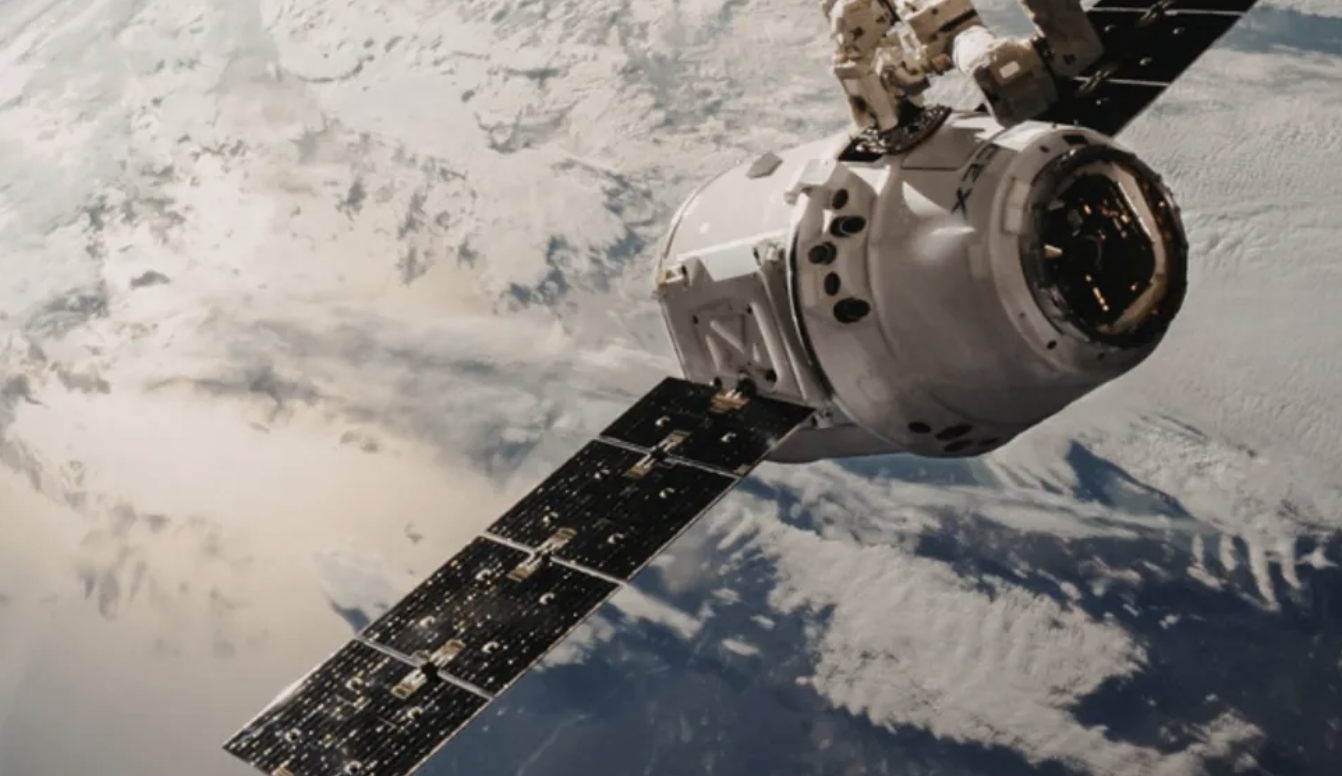
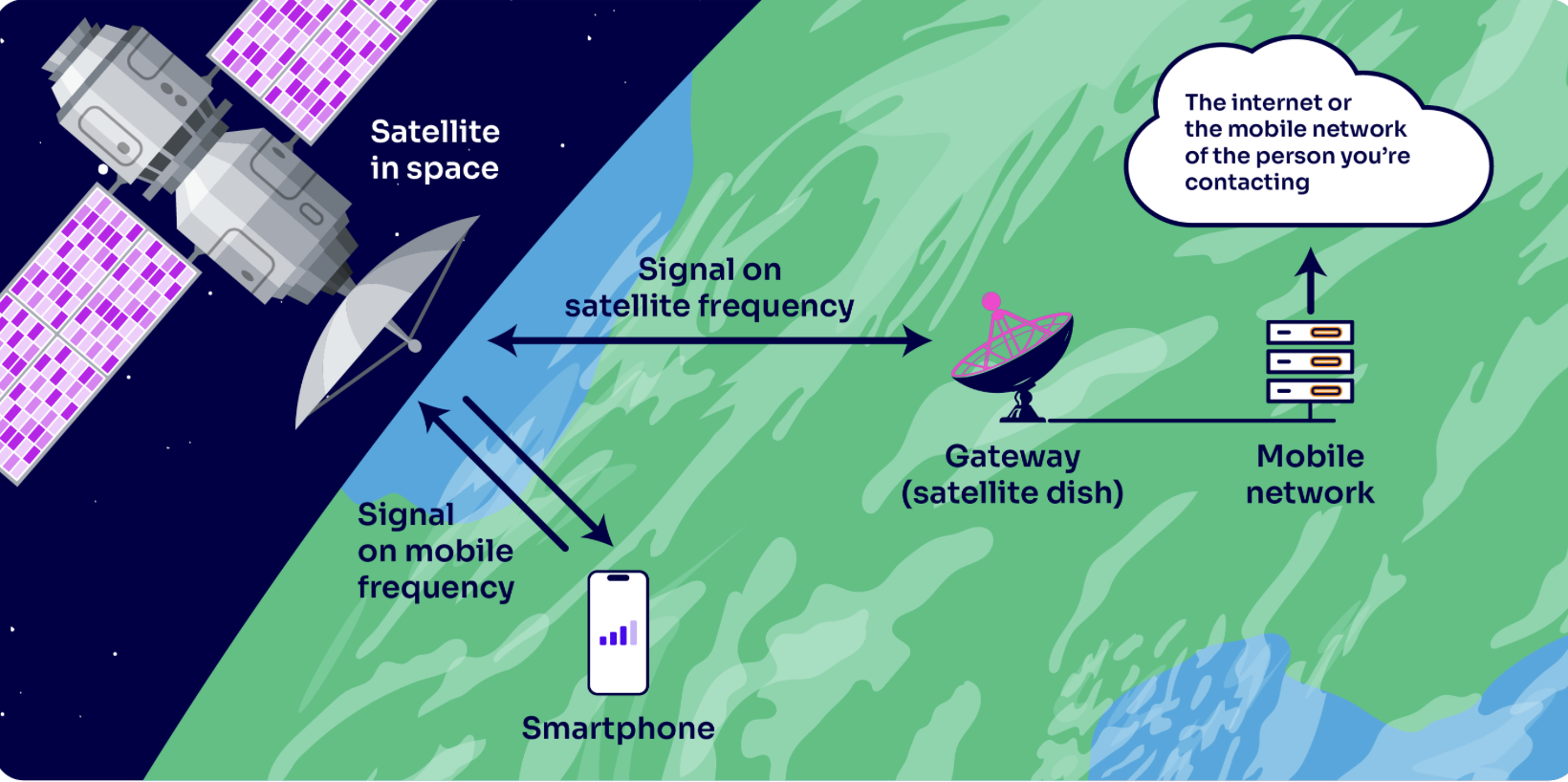
Direct-to-device technology changes that by allowing standard smartphones to connect directly to low-Earth orbit (LEO) satellites using existing mobile frequencies. Handsets will not require new chips or specialist antennas, relying instead on software and modem upgrades.
Satellites will beam signals directly to phones, allowing users to send messages, make calls or access limited data services where there is no conventional mobile coverage.
The technology has already been deployed in Ukraine to provide backup connectivity and network resilience following wartime damage to mobile infrastructure.
David Willis, Ofcom’s Group Director for Spectrum, said:
“Mobile operators are already pressing ahead to make the UK the first nation in Western Europe to have widespread access to this technology, which will see remote and rural areas be better connected than ever before.”

UK network operators have already begun positioning themselves for satellite connectivity.
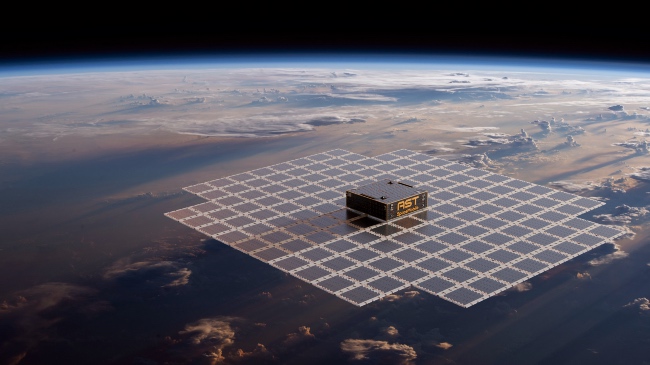
Virgin Media O2 has partnered with Elon Musk’s Starlink and to introduce satellite-based services next year.. Vodafone has signed an agreement with AST SpaceMobile, which is developing large LEO satellites designed to work directly with conventional smartphones.
Initial services are expected to focus on messaging and emergency connectivit, But operatorsexpect full voice and data capabilities to be part of longer-term roadmaps as satellite constellations expand.
Direct-to-satellite services are emerging as one of the most strategically important developments in global mobile connectivity.
The main satellite players include:
Starlink (SpaceX), which is working with operators including T-Mobile in the US and O2 in the UK
AST SpaceMobile, backed by Vodafone, AT&T and Google
Lynk Global, positioning itself as a wholesale satellite-to-mobile provider
Iridium, which continues to focus on specialist and enterprise satellite communications
On the handset side, Apple has already introduced limited satellite-based emergency messaging on some iPhones, to contact emergency services and share their location when out of mobile range.
Direct-to-device satellites offer a potential solution to the most expensive challenge in network deployment of covering the “last few per cent” of the population in remote and sparsely populated areas.
Operators can use satellite coverage as a complement to terrestrial networks improving coverage obligations, resilience and customer perception without massive infrastructure spend.