Physical Address
Crimson Lynx Media Ltd
Scottish Provident House
76-80 College Road
London
HA1 1BQ


Physical Address
Crimson Lynx Media Ltd
Scottish Provident House
76-80 College Road
London
HA1 1BQ


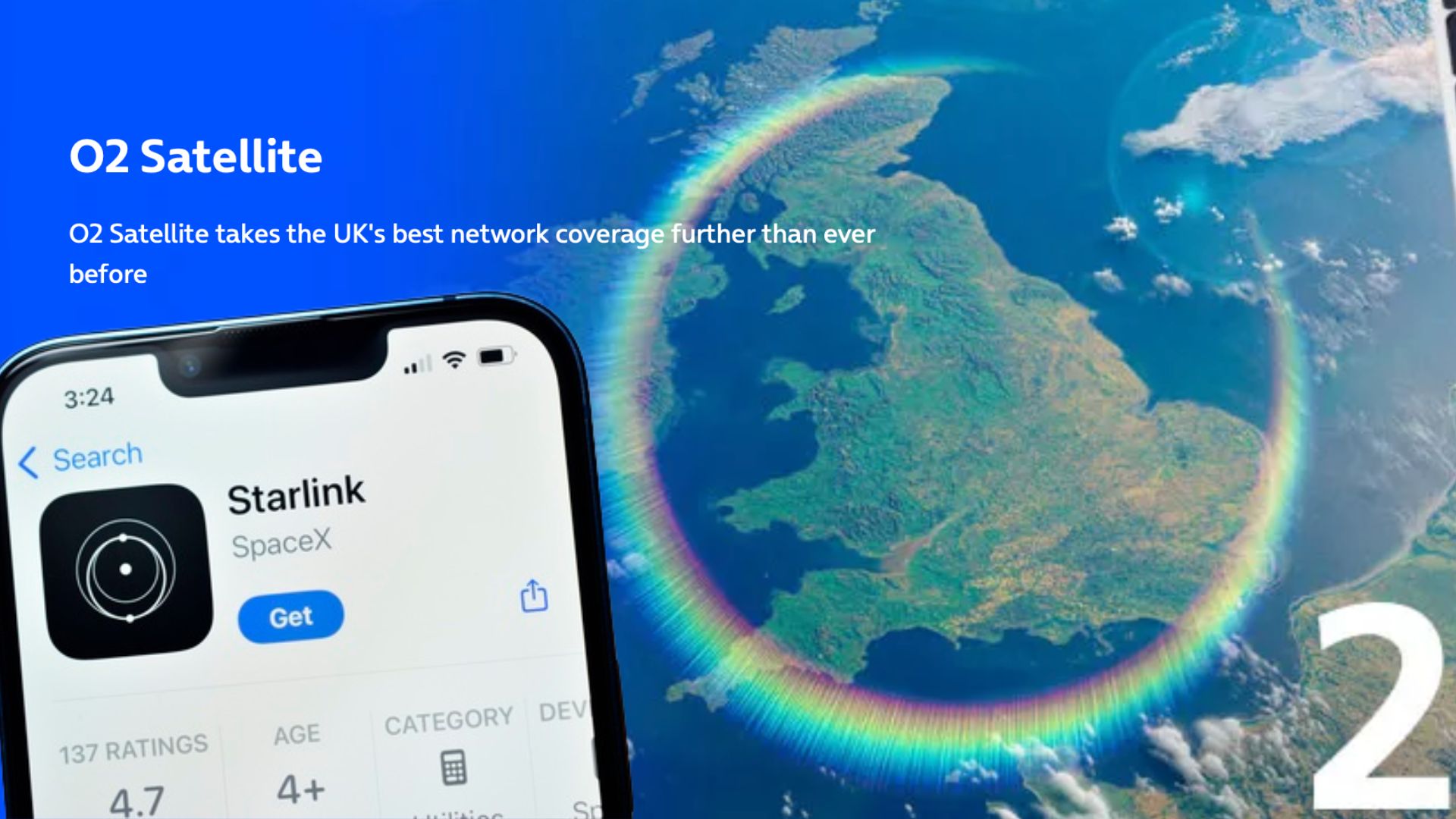
Virgin Media O2 will tomorrow switch on support for iPhone users on its O2 Satellite service.
The service uses Starlink Direct to Cell technology, which allows standard smartphones to connect directly to satellites without requiring specialist satellite hardware or external antennas.
It is available as a £3-per-month Bolt On for O2 Pay Monthly customers and is included at no additional cost for customers on O2 Ultimate Plans.

Compatible iPhones will be able to connect directly to the O2 network via satellite when traditional cellular coverage is unavailable.
The service launched earlier this year as Europe’s first direct-to-device satellite mobile data service. It automatically connects compatible smartphones to satellite supporting messaging and data services across apps including Apple Messages, Apple Maps, WhatsApp, Messenger and location services.

Virgin Media O2 said the addition of iPhone support will help extend connectivity in rural, coastal and isolated areas of the UK where mobile not-spots remain an issue. The operator claims the service has increased its UK landmass coverage to 95 per cent.
direct-to-device (D2D) satellite services, which are increasingly being viewed as a complementary layer to terrestrial mobile networks rather than a replacement for them.
Operators and satellite providers are racing to commercialise D2D connectivity T-Mobile has partnered with SpaceX on satellite messaging services using the Starlink network, while AST SpaceMobile has secured agreements with operators including Vodafone and AT&T. Meanwhile, Apple already offers emergency satellite messaging features on newer iPhones in selected markets.
Satellite partnerships are seen as a way to improve coverage economics in geographically challenging areas where traditional mast deployment may not be commercially viable.
O2’s current implementation is primarily focused on messaging and low-bandwidth data apps rather than voice services, although the technology roadmap points towards broader capabilities over time. (o2.co.uk)