Physical Address
304 North Cardinal St.
Dorchester Center, MA 02124
Physical Address
304 North Cardinal St.
Dorchester Center, MA 02124


A looming memory shortage is set to redefine the global smartphone market in 2026, and only the largest vendors will cope,says new data and warnings from International Data Corporation (IDC).
IDC expects the memory shortage to create a difficult trade-off for the wider industry in 2026. Volumes are likely to decline, but average selling prices are forecast to rise as vendors pass on higher component costs and prioritise profitability over scale. IDC’s analysis suggests the memory shortage will slow the market and solidify Apple and Samsing’s dominance even further.
IDC’s Worldwide Quarterly Mobile Phone Tracker show global smartphone shipments rose 2.3 per cent year-on-year in Q4 2025 to 336.3 million units, taking total shipments for the year to 1.26 billion units, a 1.9 per cent increase.
However, IDC says those figures mask problem s caused by an unprecedented shortage of memory components that emerged late in the year.
IDC warns supply disruption will push the smartphone market into decline in 2026, with the severity and duration of the downturn dependent on how long memory constraints persist.
“This is widely considered an unprecedented supply chain disruption. Larger players will be better able to secure advantageous supply and workable price points.”” said Ryan Reith, group vice president for Worldwide Client Devices at IDC.
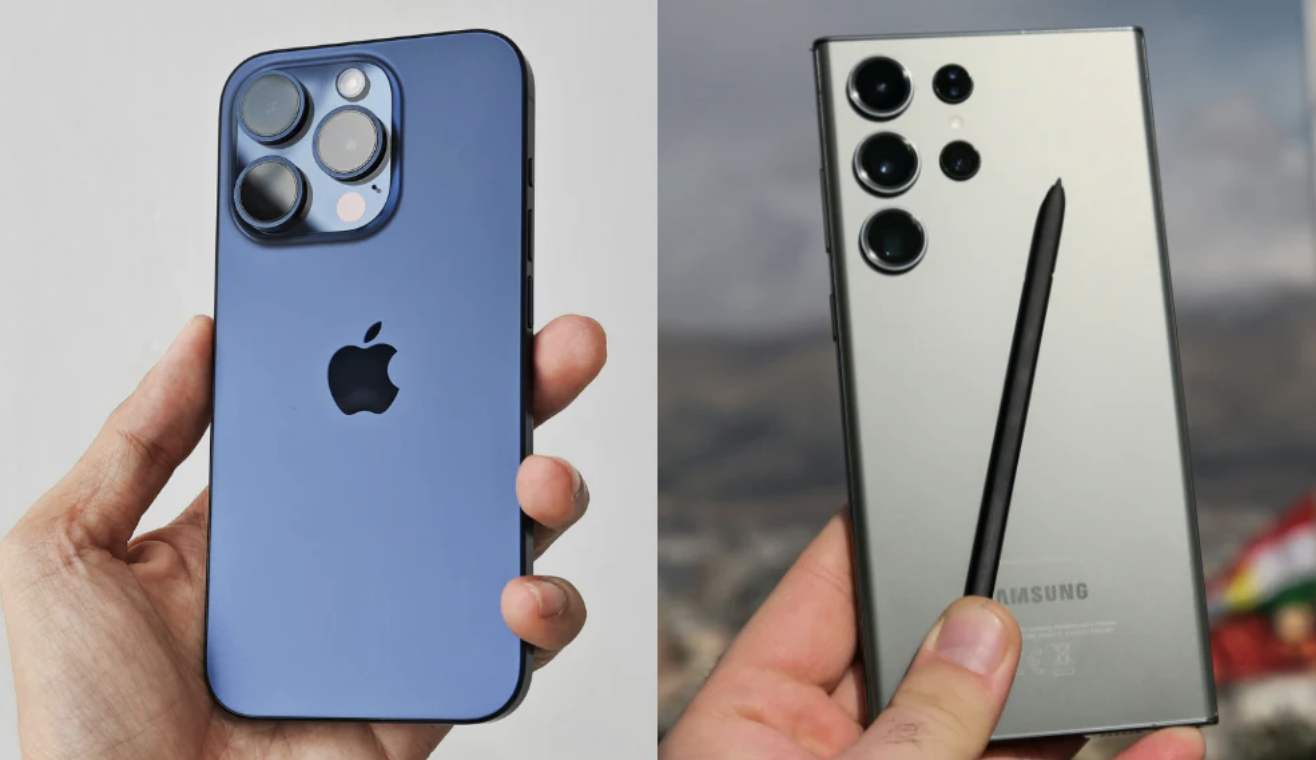
IDC says the memory shortage is already affecting the top of the market. Apple and Samsung last year expanded their combined global smartphone share to 39 per cent, up from 37 per cent a year earlier, as smaller vendors struggled to absorb cost increases and supply volatility.

Premium demand remained resilient, with consumers pulling forward purchases in anticipation of price rises. This favoured strong brands, deep supplier relationships and pricing power.
Apple closed 2025 as the world’s largest smartphone vendor for the third consecutive year. Record shipments and a strong rebound in China were driven by the iPhone 17 series. Apple also delivered its highest-ever revenue in a single quarter in Q4, underlining its ability to push average selling prices higher even as components became harder to secure.
Samsung delivered its strongest fourth-quarter growth since 2013, fueled by demand for its Galaxy Z Fold 7 and momentum in its AI-enabled Galaxy A-Series. IDC notes that Samsung’s breadth across premium and mid-range devices gives it additional flexibility as memory availability tightens.
Francisco Jeronimo, vice president for Worldwide Client Devices at IDC, said both vendors used Q4 to strengthen their market positions. “Apple and Samsung consolidated their leadership in the smartphone market by driving strong sales in the premium segment and reaching all-time high average selling prices.”
For UK operators, retailers and channel partners, IDC’s warning is clear. As memory constraints squeeze supply and push prices higher, the market is likely to tilt further towards Apple and Samsung, whose scale allows them to secure components first, manage cost inflation and dictate portfolio strategy.
Francisco Jeronimo, vice president for Worldwide Client Devices at IDC (below), said both vendors used Q4 to strengthen their market positions. “Apple and Samsung consolidated their leadership in the smartphone market by driving strong sales in the premium segment and reaching all-time high average selling prices.”