Physical Address
304 North Cardinal St.
Dorchester Center, MA 02124
Physical Address
304 North Cardinal St.
Dorchester Center, MA 02124


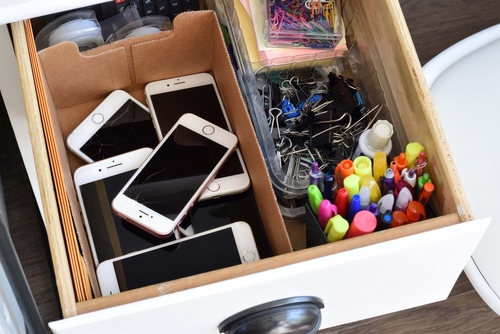
America’s smartphone replacement cycle is stretching and most devices now entering resale channels are at least three generations old,
Data from IT analysts Circana and wholesale liquidators B-Stock shows affordability pressures and extended financing terms have altered upgrade behaviour. At the same time, D- and E-grade devices have hit record levels, signalling a deterioration in average device quality.
Around 11 per cent of US consumers now use a pre-owned smartphone, according to Circana. Certified devices account for roughly 30 per cent of that installed base. Nearly half of buyers said their device arrived in “much better” condition than expected, and a majority of new-device purchasers said they would consider certified used next time.
Brad Akyuz, industry analyst and mobile consultant at Circana, said the category continues to outperform expectations. “The pre-owned smartphone market in the US remains incredibly resilient, driven by strong consumer demand for affordable, high-quality devices and a growing pool of second-hand inventor. Improved refurbishment standards, greater transparency and increased use of genuine parts have all helped lift buyer confidence”, he said.
Handsets five generations old or more accounted for 19 per cent of pre-owned supply last year, according to B-Stock. This is a sharp rise since 2022. Ageing devices typically fall outside Certified Pre-Owned (CPO) programme criteria, which favour newer A- and B-grade stock.
Sean Cleland, VP of mobile at B-Stock, said: “Ageing, lower-grade models typically aren’t eligible for US-based CPO programmes As carriers push payment terms out to 36 months, consumers are holding onto devices longer. Trade-in volumes may look healthy, but fewer units meet certification thresholds.”
He says the result is a tightening pool of premium-grade inventoryjust as as certified programmes scale and consumer trust strengthens.
A weaker US dollar has made American-sourced devices more attractive overseas. Dubai and Hong Kong accounted for roughly 80 per cent of global volume last year, while the Netherlands and Spain are emerging as high-growth destinations. Demand for legacy devices, particularly older iPhones, remains strong across Southern Europe.

Cleland warned that international buyers operating with lower labour and parts costs are competing aggressively for older supply. “Those dynamics are starting to pressure domestic refurbishers who don’t have the same cost structure or inventory access,” he said.