Physical Address
Crimson Lynx Media Ltd
Scottish Provident House
76-80 College Road
London
HA1 1BQ
Physical Address
Crimson Lynx Media Ltd
Scottish Provident House
76-80 College Road
London
HA1 1BQ


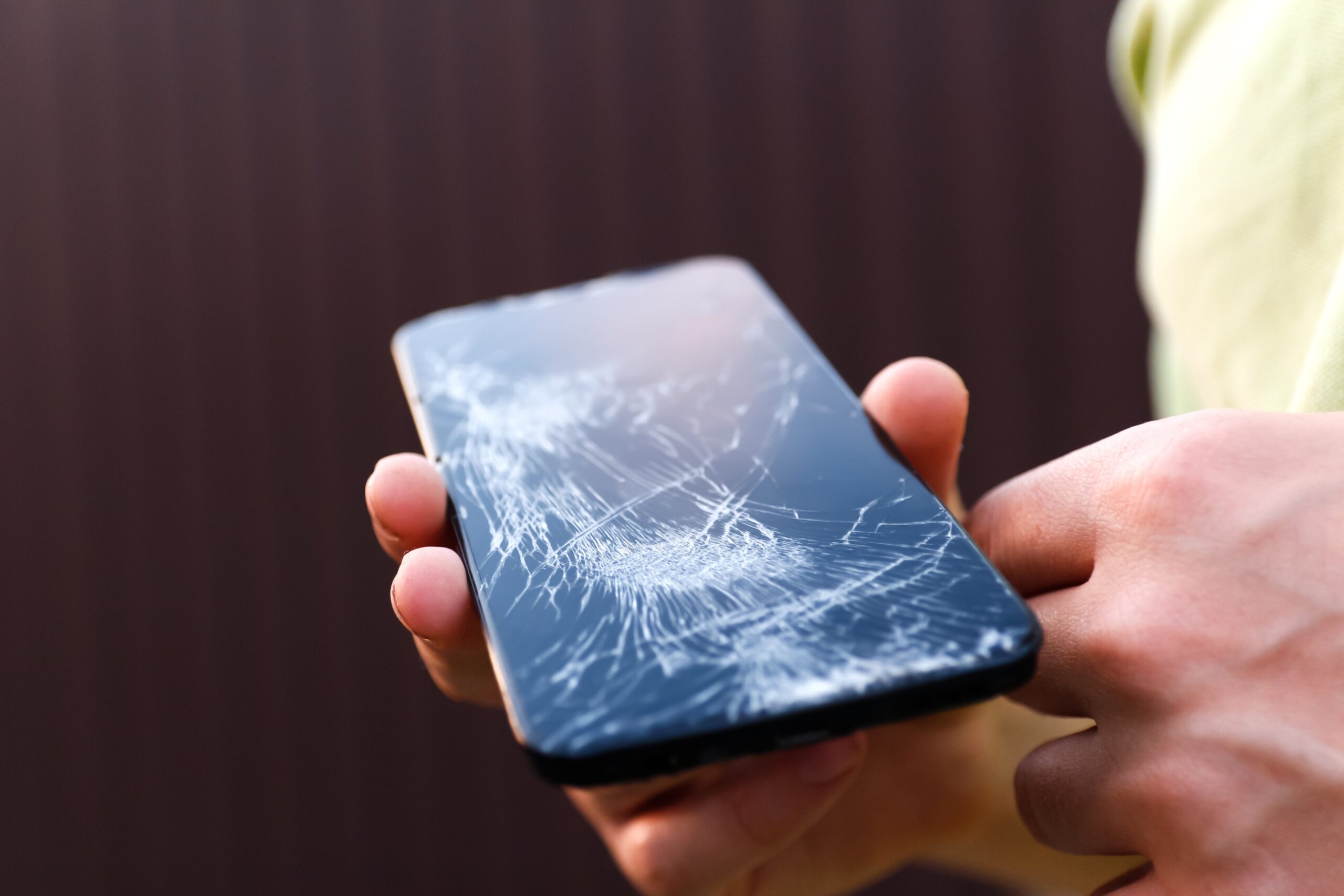
Device protection, trade-in and repair services could generate recurring revenues, improve conversion rates and strengthen customer loyalty across the secondary mobile market.
Insurance and device protection could become a significant new profit opportunity for refurbished smartphone retailers and distributors as the industry moves towards subscription-based services and longer customer relationships.
Speaking at the Mobile News Circular Summit in London, senior executives from Likewize, SquareTrade and Pier Insurance said protection products were increasingly being integrated with trade-in, repair and refurbishment services, creating new commercial opportunities for the sales channel.

The panel, Insurance, Risk & Residual Value: The New Financial Engine of Circularity, brought together Ian Pillinger of Likewize, Quinton Goddard of SquareTrade and Mark Gordon of Pier Insurance.
The discussion highlighted how insurance could help retailers overcome consumer concerns about refurbished devices while providing a recurring revenue stream beyond the initial handset sale.

The refurbished and recycling sector represented an underserved market for insurance providers, particularly as retailers sought to establish stronger direct relationships with customers.
Consumers buying pre-owned smartphones remained concerned about battery performance, reliability and the cost of repairs.
Protection products could address those concerns while improving retailers’ sales conversion rates.
“Having these types of products and protection services in this industry doesn’t just bring another revenue stream, but I think it improves and helps conversion at point of sale and gives customers more trust to buy that product from that supplier”, said Mark Gordon.
The opportunity was only beginning to develop as the refurbished sector established more sophisticated sales channels and customer propositions.
SquareTrade’s Quinton Goddard reported strong growth in insurance attachment rates among retailers selling refurbished smartphones.
“We’re seeing really strong growth in attach rates on retailers selling refurbished devices. That’s a genuine insurance category now.”
He said insurance could help bridge the confidence gap between buying new and refurbished devices, particularly when customers were uncertain about battery condition or future reliability.
Rising smartphone prices and increasingly expensive repairs were also strengthening the commercial case for protection products.
Financial benefits extended beyond the commission or margin generated from individual insurance sales.
Retailers able to build recurring protection revenues into their business models could potentially command higher valuations than businesses dependent primarily on handset transactions.
Insurance income had historically been a major driver of profitability and business value for mobile network operators and retailers.
The refurbished sector could follow a similar path once retailers and marketplaces had developed simpler ways to integrate protection products into their sales processes.
The challenge was to make insurance easy to purchase and transparent to customers, particularly where devices were sold through third-party marketplaces rather than directly by retailers.
The panel also examined the tension between customer expectations, sustainability and the economics of repairing damaged smartphones.
Ian Pillinger said Likewize’s priority was to return customers’ original devices wherever possible rather than automatically replacing them.
The company operates a repair facility in Crewe and a mobile repair fleet that has expanded to more than 100 vans, allowing engineers to carry out repairs at customers’ homes and workplaces.
Pillinger said customers were becoming increasingly attached to their phones as ownership periods extended beyond four years.
However, the economics of repair did not always favour retaining the original device.
Goddard said insurers had to consider the total cost of a claim, including replacement stock, logistics, repair costs, customer service and the likelihood of complaints.
AI was increasingly being used to assess those variables and determine the most economical way to settle claims.
“We’re seeing less and less repair being the most economical option, and you’ve got to balance up that desire to keep the customer happy and return the device.”
Pillinger said Likewize’s own repair infrastructure gave it different economics, allowing the company to recover value from devices that had been replaced by repairing and returning them to circulation.
The panel agreed that although right-to-repair legislation was improving access to spare parts, it had yet to fundamentally change repair costs.
Customers continued to favour genuine manufacturer parts, while the equipment and expertise required for some repairs made do-it-yourself solutions impractical.
Insurance fraud, particularly claims involving lost or stolen premium smartphones, was identified as another major cost pressure.
High-value devices were attractive to criminals because they could be resold internationally or dismantled for parts.
Goddard said AI was beginning to transform the way insurers investigated suspicious claims.
Instead of relying entirely on human investigators, AI systems could conduct initial interviews, gather details and compare information against other available evidence.
The technology could potentially reduce investigation costs while speeding up the claims process for genuine customers.
Insurers were also using device databases and network information to establish whether a handset had been activated or subsequently offered for resale.
However, Goddard cautioned that AI-based investigation tools were still being tested and required careful validation before widespread deployment.
Device insurance would increasingly become part of broader service subscriptions rather than remaining a separate product sold alongside a handset. Likewize already regarded repair, trade-in, residual values and device protection as interconnected services.
As consumers retained smartphones for longer, he suggested traditional theft and loss insurance could give way to services focused on battery replacement, device optimisation and ongoing maintenance.
Protection and trade-in propositions will become more closely integrated, although Goddard remained sceptical that handset leasing would become the dominant ownership model as many consumers still preferred to own their smartphones rather than rent them.
Mark Gordon said the broader shift towards service-based retailing would create opportunities for businesses that could establish continuing customer relationships rather than relying on one-off handset transactions.
The message from the panel was that the commercial opportunity no longer ended when a device was sold.
Insurance, repair and trade-in services could increasingly determine how much revenue a customer generated and how much value the retailer ultimately created from that relationship.