Physical Address
Crimson Lynx Media Ltd
Scottish Provident House
76-80 College Road
London
HA1 1BQ


Physical Address
Crimson Lynx Media Ltd
Scottish Provident House
76-80 College Road
London
HA1 1BQ


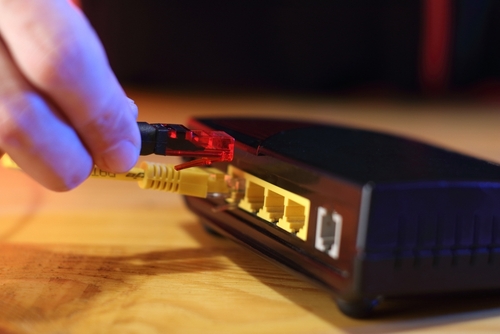
As the UK moves to fully digital networks, MVNO’s are taking on a more critical role alerting vulnerable users to the changeover writes Kadams Radhakrishnan, Chief Technical Director of Lyca Mobile
The transition is not just a technical upgrade. It is a nationwide shift that must be managed carefully to ensure that no one, particularly vulnerable users, is left behind.
The decisions being made now will shape how effectively the industry supports millions of people through this change.

The PSTN switch-off next year marks one of the most significant transformations in the UK telecoms sector..All-IP networks, with 4G, 5G and Wi-Fi calling are becoming the default.
This shift promises more resilient connectivity. However, it also introduces new challenges, especially for those who still depend on traditional landline services.

For many households, this is a fundamental change in how they stay connected.
More than two million UK homes still rely on landlines without broadband. They are often older, more vulnerable, or based in rural areas where alternatives may be limited.
For them, the landline is is a lifeline, not an outdated service.
Ensuring continuity of service for these groups is a regulatory requirement and a social responsibility. The PSTN switch-off has already been paused twice following concerns about the impact on vulnerable users, and those who rely on telecare devices.
The delay to the original 2025 deadline highlights that the transition must be led by customer needs, not just technological readiness.
Technology alone will not determine the success of the transition. Clear, communication will be just as important.
Customers need to understand what is changing, why it matters, and what action tthey need to take. Without this clarity, even the most advanced infrastructure risks failing the people it is designed to serve.
This is where MVNOs are well positioned to make a difference.
MVNOs have built their brands around simplicity and strong customer engagement. In a period of change, these strengths become especially valuable.
Larger operators must manage complex legacy systems and broad product portfolios, MVNOs are often able to focus on clear, messaging. They can translate technical change into practical guidance customers can easily understand.
MVNOs account for around 19 per cent of the UK mobile market and serve more than 10 per cent of global mobile users. This scal and agile operating models, allows them to tailor their approach to different customer groups.
A challenge in the switchover is identifying and supporting those who may struggle with the transition.
MVNOs are well placed to do this through their customer relationships and data insight and they can identify users who may need additional help which must go beyond standard notifications. It requires a more proactive and inclusive approach, including:
Early engagement to raise awareness of upcoming changes
Clear signposting to available support services
Collaboration with community organisations to reach offline or hard-to-reach groups
Accessible customer service channels for those needing reassurance or step-by-step guidance
By combining digital efficiency with a more personalised approach, MVNOs can play a key role in bridging the gap between innovation and inclusion.
MVNOs will grow in importance during the transition. Their ability to communicate clearly, respond quickly and prioritise customer needs positions them as vital partners in delivering a smooth switchover.
Ultimately, the success of this transformation will be measured by how well the industry supports those most at risk of being left behind.