Physical Address
304 North Cardinal St.
Dorchester Center, MA 02124
Physical Address
304 North Cardinal St.
Dorchester Center, MA 02124


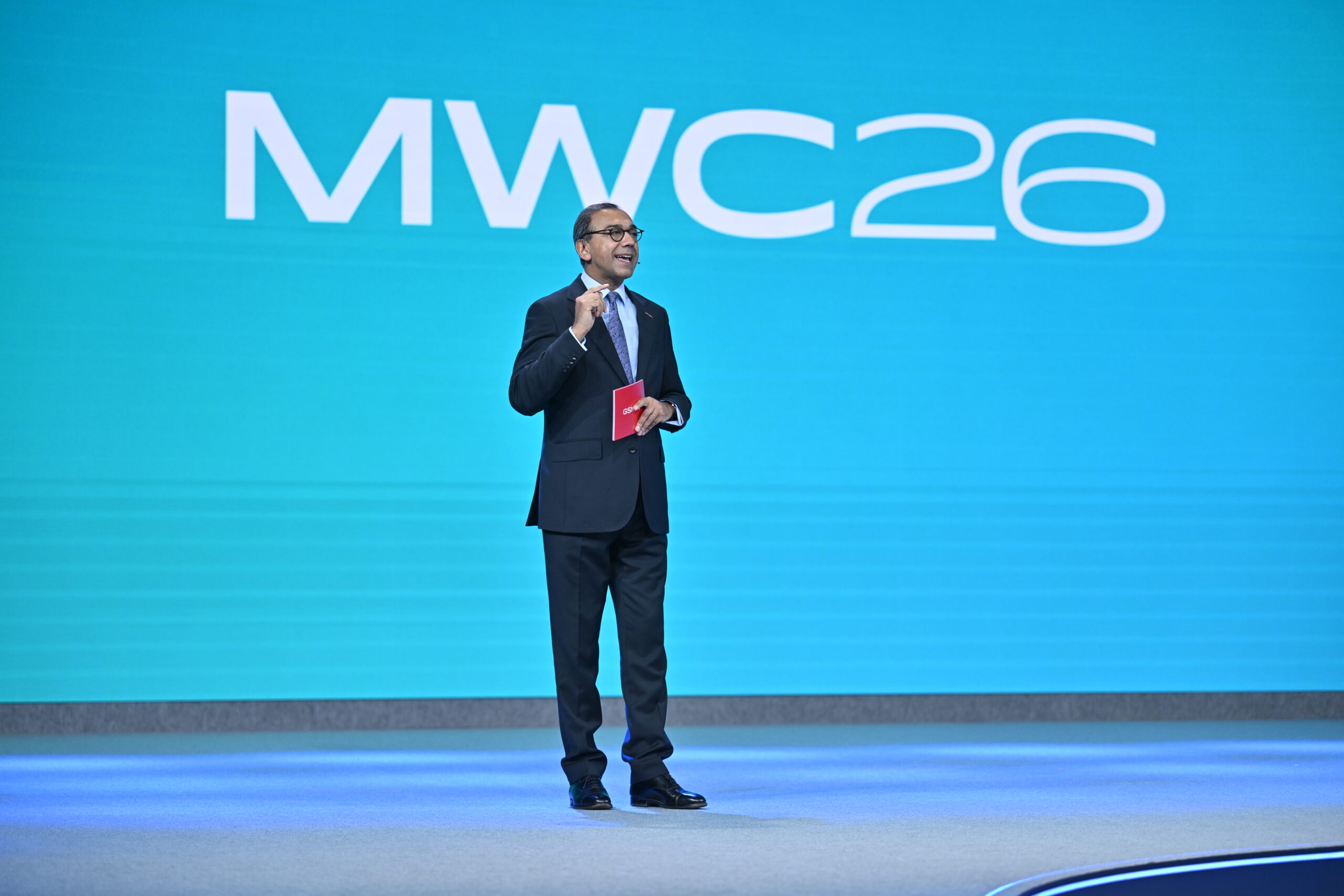

The mobile industry must move faster to finish building real 5G networks, confront the risks and opportunities of artificial intelligence, and shore up digital safety as online threats escalate.
Speaking at the launch of MWC26, GSMA Director General Vivek Badrinath warned that the next phase of global digital growth depends on urgent, coordinated action from governments and companies.
Badrinath told delegates that mobile technology connected 5.8 billion people last year and added $7.6 trillion to the global economy, but said the sector is now at a turning point.
He urged operators to accelerate investment in standalone 5G, which unlocks the full capabilities of next generation networks, and called for AI systems that are open, inclusive, and governed responsibly. Rising cyberattacks and digital harms, he said, demand far stronger cross border cooperation to protect users and rebuild trust.
The GSMA used the opening day to publish its Mobile Economy 2026 report, which highlights both the industry’s economic weight and its widening inequalities.
Although 96 percent of the world’s population now lives within mobile broadband coverage, more than three billion people still do not use it, largely because of affordability barriers, lack of digital skills, or limited access to relevant services. The report projects that mobile’s economic contribution will climb to $11.3 trillion by 2030, equivalent to 8.4 percent of global GDP.
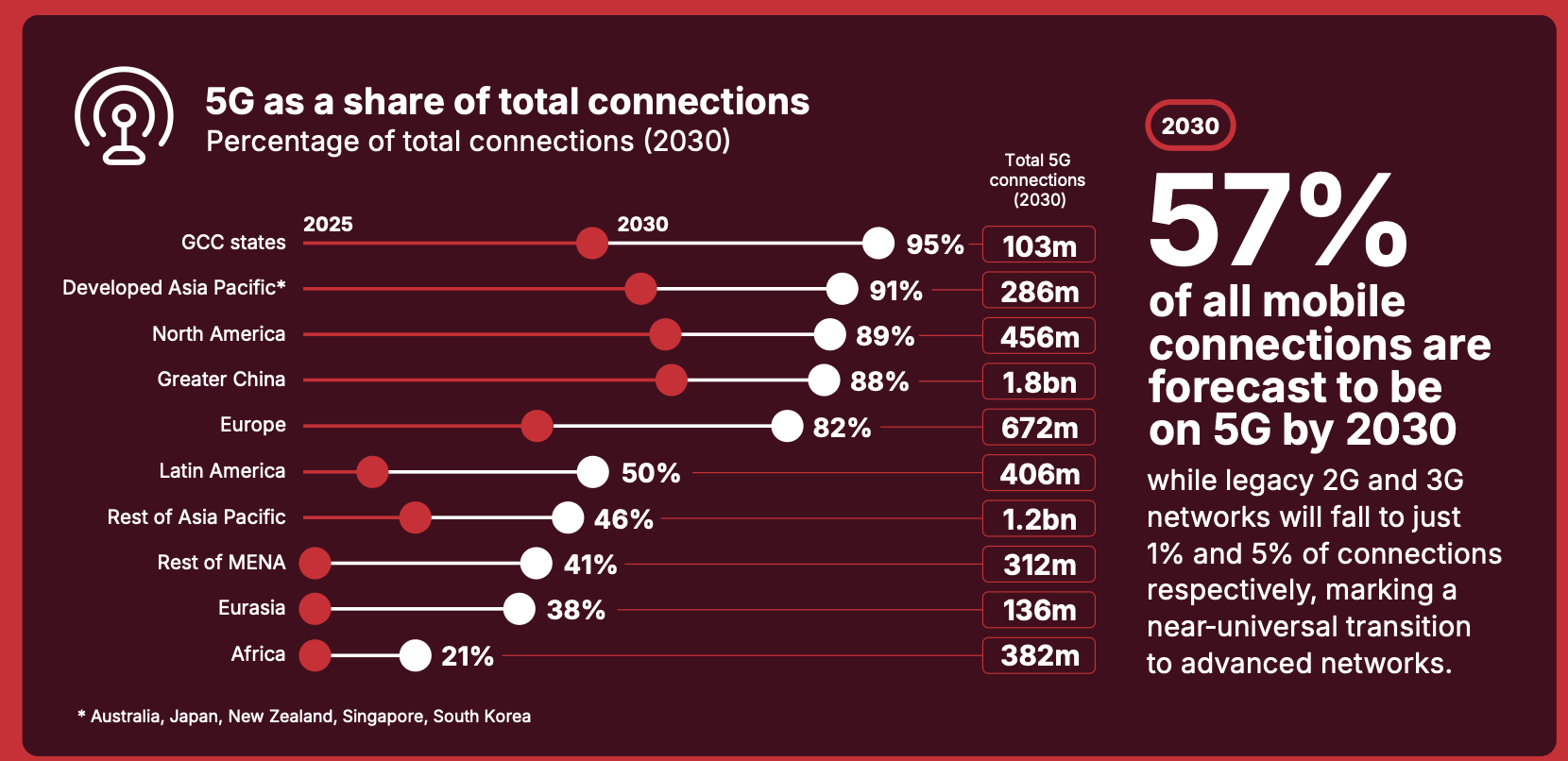
The study also shows how quickly the technology landscape is shifting. By 2030, 57 percent of all mobile connections are expected to run on 5G, while older 2G and 3G networks fade to the margins. Operators are forecast to increase revenues from $1.19 trillion in 2025 to $1.36 trillion by the end of the decade, supported by $1.2 trillion in network investment.