Physical Address
Crimson Lynx Media Ltd
Scottish Provident House
76-80 College Road
London
HA1 1BQ


Physical Address
Crimson Lynx Media Ltd
Scottish Provident House
76-80 College Road
London
HA1 1BQ


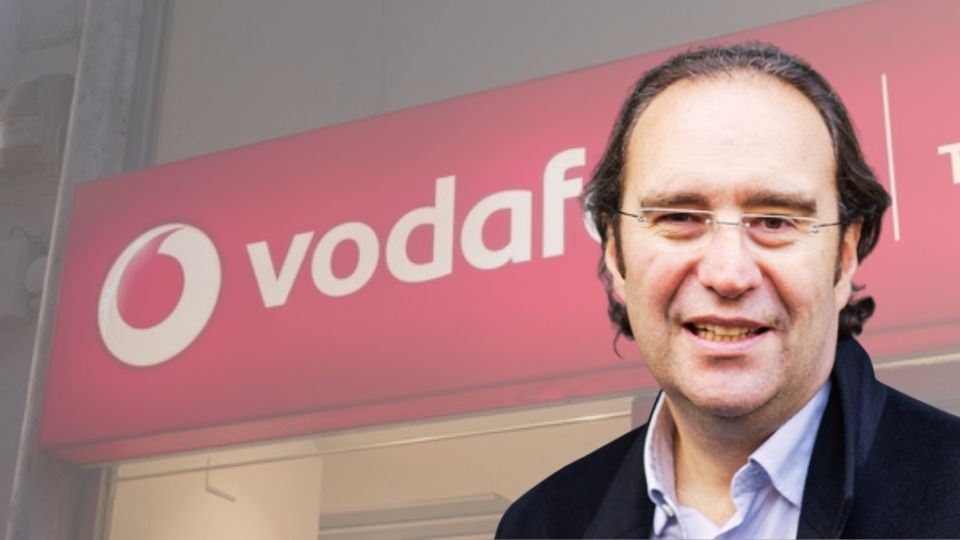
Xavier Niel’s arrival as Vodafone’s largest shareholder is likely to sharpen the focus on whether VodafoneThree can deliver its promised network transformation without sacrificing profitability.
The French telecoms billionaire is acquiring e&’s 16.2 per cent stake in Vodafone for around £4.4 billion. The deal, subject to regulatory approval, gives Niel a powerful position at a pivotal moment for the group. Vodafone has welcomed him as a long-term shareholder, but he is unlikely to be content merely collecting dividends.
Niel built Iliad through aggressive pricing, lean cost structures and a willingness to disrupt established markets. His previous investments have also been associated with consolidation, simplification and stronger cash generation.

That makes VodafoneThree an obvious area of interest. The merged UK business has committed to invest £11 billion over 10 years to increase coverage, capacity and reliability while creating what it describes as Europe’s most advanced network.
Agreements have been signed with Ericsson and Nokia, and the integration of the former Vodafone and Three networks is reportedly ahead of schedule.

Niel’s arrival could strengthen that programme. A credible, well-funded network investment plan is essential if VodafoneThree is to compete with EE and Virgin Media O2. Faster integration would remove duplicated infrastructure, combine spectrum more efficiently and give customers better coverage and faster speeds sooner.
However, accelerated integration does not necessarily mean spending more money more quickly. Niel’s likely priority will be ensuring capital expenditure produces an adequate return. That could mean greater scrutiny of network contracts, staffing levels, duplicated systems and the pace at which legacy infrastructure is removed.
The £11 billion commitment is not something VodafoneThree can abandon. But there is flexibility in how efficiently the programme is delivered, which technologies are prioritised and when expenditure is incurred.
Vodafone’s balance sheet has become more heavily exposed to its UK operation. VodafoneThree must simultaneously: improve the network, generate merger savings and deliver stronger cash flow.
Removing duplicated sites and systems should reduce operating costs. Combining spectrum should improve network efficiency. A better service should also reduce customer churn and strengthen VodafoneThree’s ability to compete for higher-value consumer and business contracts.
But integration programmes are expensive and prone to delays. If capital spending rises faster than revenue, or if savings take longer to materialise, investors may become impatient. Niel’s presence makes that impatience more consequential.
His investment does not currently give him direct control and there has been no confirmed request for a board seat. Nevertheless, a shareholder controlling more than 16 per cent of the company has to be taken seriously.
Management will face greater pressure to prove that the investment programme is capable of producing returns. That could accelerate network consolidation, supplier negotiations, property rationalisation, the removal of duplicated roles and the retirement of older infrastructure. It may also increase pressure on VodafoneThree to provide clearer evidence of customer benefits and financial savings.
Improvements in coverage and speeds have already been publicised since the merger. An independent report claims customers are receiving faster 4G services and wider 5G coverage.
The next test will be whether those gains translate into more customers, lower churn, higher average revenue and stronger cash generation.
Niel’s arrival does not create a choice between investment and profitability. It raises the expectation that VodafoneThree must deliver both.
The £11 billion programme can no longer be presented simply as a long-term national infrastructure commitment. It must also be shown to be capable of producing tangible returns for shareholders.
Greater financial discipline could speed up integration and remove bureaucracy.
But it also means there will be less room for delays, cost overruns or promises that take years to show up in the numbers.