Physical Address
Crimson Lynx Media Ltd
Scottish Provident House
76-80 College Road
London
HA1 1BQ


Physical Address
Crimson Lynx Media Ltd
Scottish Provident House
76-80 College Road
London
HA1 1BQ


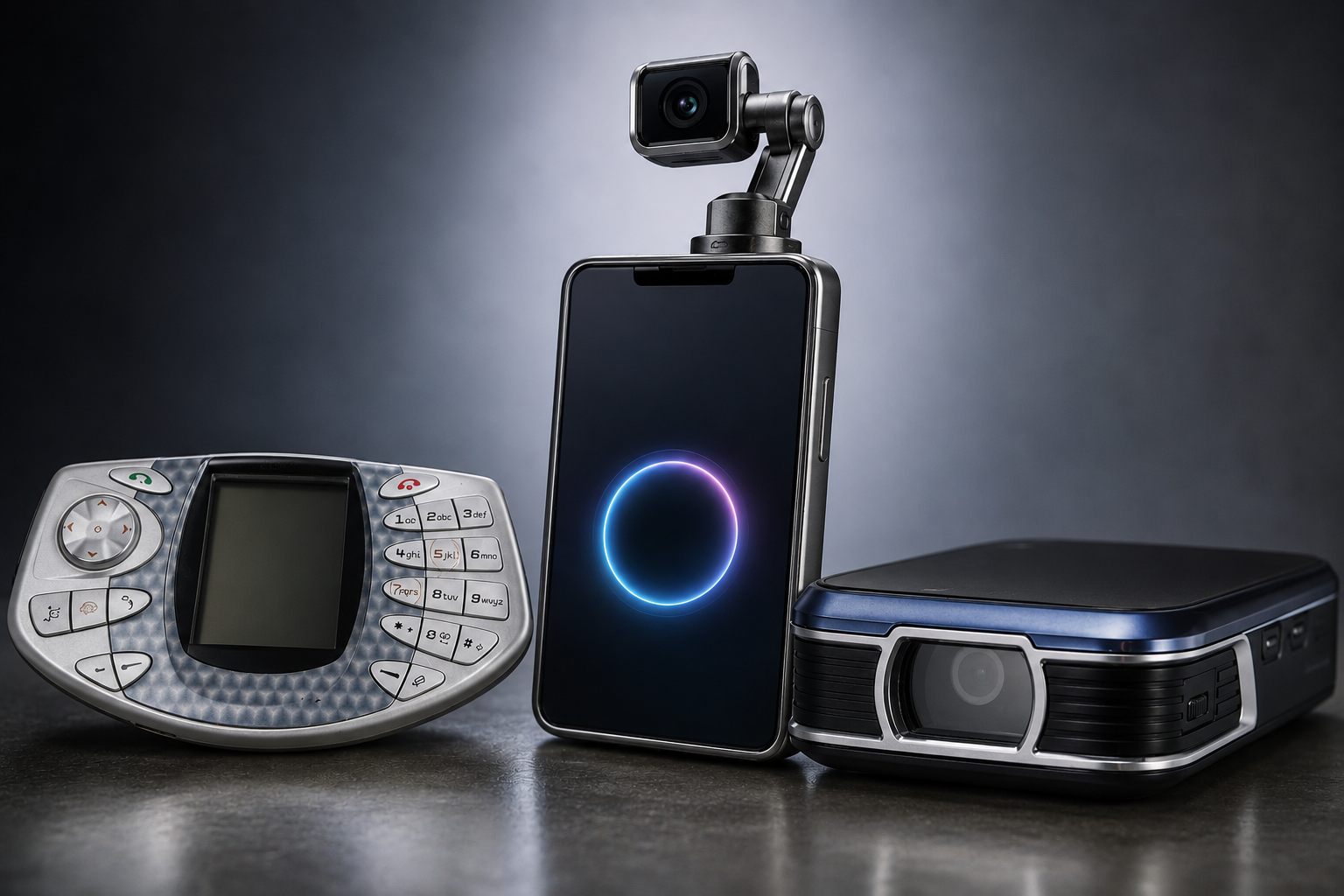
EDITORIAL: Every decade or so phone designers and engineeers produce an astonishing shiny thing and the marketing team is tasked with selling it to millions of consumers.
Honor’s new Robot Phone launched this week is the latest entrant to the ‘Hall Of Amazing Things You Never Knew You Needed’. Its camera emerges from the handset on a tiny robotic mechanism, allowing it to move, swivel, position itself and follow its subject. A bit like THAT scene from Alien.
The reaction from respected observers has been enthusiastic. FDM CCS Insight analyst Ben Wood, has used the device and describes it as “gadget-candy” and calls it an impressive statement of Honor’s innovation credentials.

ABI Research Chief Research Officer Malik Kamal Saadi goes considerably further, hailing it the “rPhone” and describing it as potentially the “iPhone moment” for consumer Physical AI.
It’s certainly an impressive demonstration of mechanical engineering, artificial intelligence and imaging technology.

But I have a question. Why?
The original iPhone solved obvious problems. Before iPhone, smartphones were compromised combinations of tiny keyboards, fiddly interfaces, styluses, small screens and primitive web browsers. Apple demonstrated a dramatically better way of doing things and millions of people immediately understood why they wanted one.
What consumer problem is a camera on a robotic arm solving? Having spent the past 20 years enthusiastically pointing our cameras at things, apparently we’ve suddenly reached the limits of this exhausting activity and require the camera itself to crawl out of the phone Alien-style and do the pointing for us.
There will undoubtedly be applications. Content creators could use automatic subject tracking. Video calls could become more natural. A phone sitting on a desk could follow someone around a room. Developers will devise applications nobody has yet considered.
But that’s quite a long way from an iPhone moment. And we’ve heard this sort of thing before.
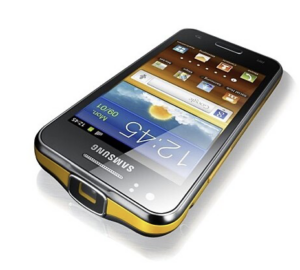
Manufacturer’s balance sheets are fiull of write-offs of tech that wasgoing to reinvent the handset. Samsung came out with its Galaxy BEAM projector phone and Nokia gave us the N-Gage (below) which combined a handset with games consoles?
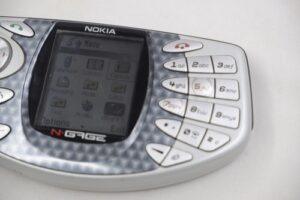
They were going to transform presentations and entertainment by putting a projector and console in your pocket. Except they didn’t.
Remember LG’s 3D smartphone displays which literally gave you a headache? Curved phones? Modular phones? Air gestures? Some were genuinely impressive but consumers mostly shrugged.
The problem wasn’t that the technology didn’t work It was that engineering ingenuity and llight bulb moments had been mistaken for consumer demand. y Honor’s Robot Phone is in danger of doing the same thing.
Think about it Smartphone designers and their finance departments are going nuts trying to reduce components and moving parts. Are we supposed to celebrate putting the complexity back?
A motorised camera mechanism has hinges, motors and mechanical components. It sticks out from the handset and it will presumably have to withstand thousands of movements during its lifetime.
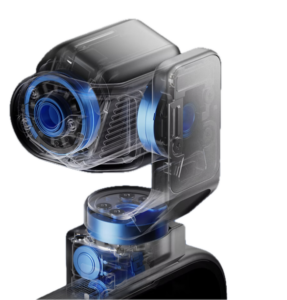
What happens when you drop it or dirt gets into the mechanism? Does it survive three years of use? How much does it cost to repair? How easily can it be refurbished? What happens to water resistance? How much battery power does the moving camera consume? And what happens when somebody knocks the robotic arm while it’s extended?
These aren’t trivial questions in an industry supposedly becoming obsessed with longevity, repairability and circularity. There is something wonderfully ironic about designing smartphones to last longer while simultaneously attaching an additional piece of precision electromechanical engineering to them.
The most interesting thing about Honor’s concept isn’t actually the robotic camera. It’s the AI behind it.
AI can change our relationship with smartphones. Devices that understand context, anticipate what we need, recognise what we’re looking at and act on our behalf are a genuine change comparable with previous trends in mobile computing. But AI doesn’t automatically become revolutionary just because you attach a motor to it.
A smartphone can already see and, hear through its camera and microphones It understands location and movement through its sensors and can interpret all of that information using on-device AI. The interesting question is what the phone does with that intelligence.
Whether its camera can swivel around feels rather less fundamental.
There is another elephant in the room. We worry about smartphones, smart TV’s and even our cards eavesdropping oiur conversations and cameras watching us. Do you REALLY want a camera that follows your physical movements and picks up your conversations?
Privacy controls may make the system perfectly safe. But consumer perception matters. A camera that visibly tracks people around a room creates a very different psychological relationship from a camera sitting passively on the back of a phone.
Perhaps consumers will love it. Perhaps they’ll put a sock over it.
None of this means Honor shouldn’t have built it. Quite the opposite. The smartphone market needs innovation. The slab in our pockets has changed remarkably little in over a decade. Foldables attempt to break that convention. Physical AI may well be another.
Credit to Honor for trying something different rather than launching another handset whose revolutionary features are a tweaked camera and a speed bump to the processor.
But let’s keep it real. Calling every device with interesting new technology an “iPhone killer” does the technology no favours.
The iPhone wasn’t revolutionary because it contained impressive technology. It succeeded because people immediately understood what problems the technology solved.That’s the hurdle Honor’s Robot Phone still has to clear.
Maybe there will be apps that turn an AI-powered robotic camera into something indispensable. Maybe consumers will eventually wonder how they ever lived without a robotic appendage emerging from their handset.
Until then, we suspect Honor has produced a sophisticated and novel answer to a question nobody asked.