Physical Address
Crimson Lynx Media Ltd
Scottish Provident House
76-80 College Road
London
HA1 1BQ


Physical Address
Crimson Lynx Media Ltd
Scottish Provident House
76-80 College Road
London
HA1 1BQ


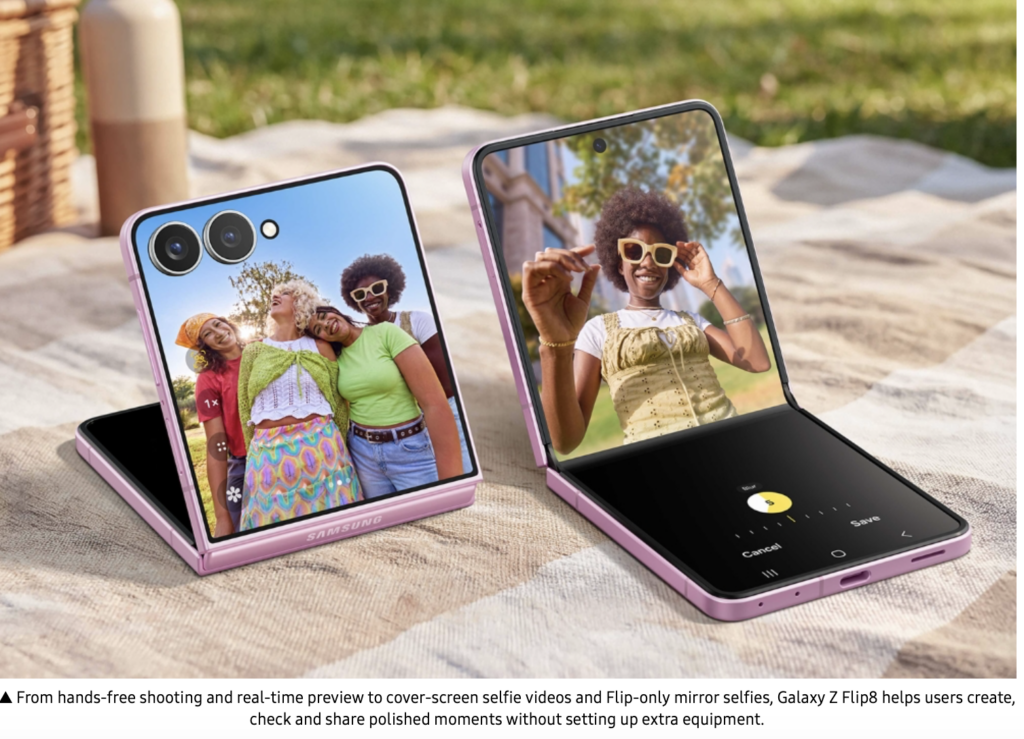
Samsung has unveiled its strongest foldable line-up to date, but analysts say the launch is about far more than new hardware. With Apple’s long-rumoured foldable iPhone expected within weeks, the premium smartphone market is about to become far more competitive.
Samsung has used the launch of its new Galaxy Z Fold8 range to reinforce its leadership in foldables ahead of Apple’s expected entry into the market later this year.
The launch gives UK networks, retailers and distributors a premium portfolio to drive higher-value upgrades, but it raises questions around affordability, financing and whether foldables can become a mainstream category.

Ben Wood, Chief Analyst at CCS Insight, believes Samsung is making its move at exactly the right time. “Samsung is doubling down on foldables at exactly the moment the category is about to get its biggest credibility boost with the folding iPhone later in the year.”
“Apple’s expected move into foldables will challenge Samsung, but it could als turn foldables from a niche premium category into a mainstream flagship battleground.”

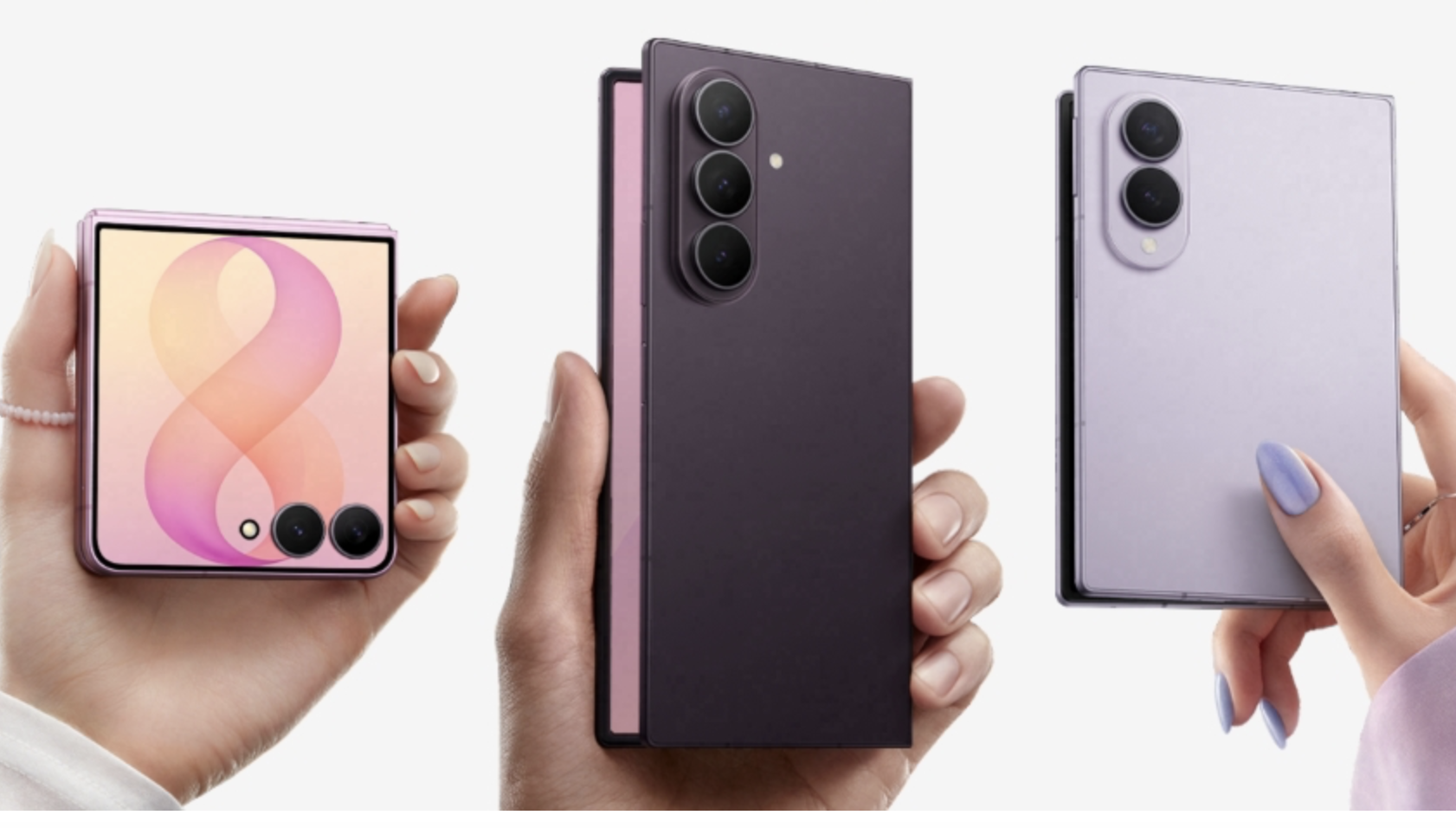
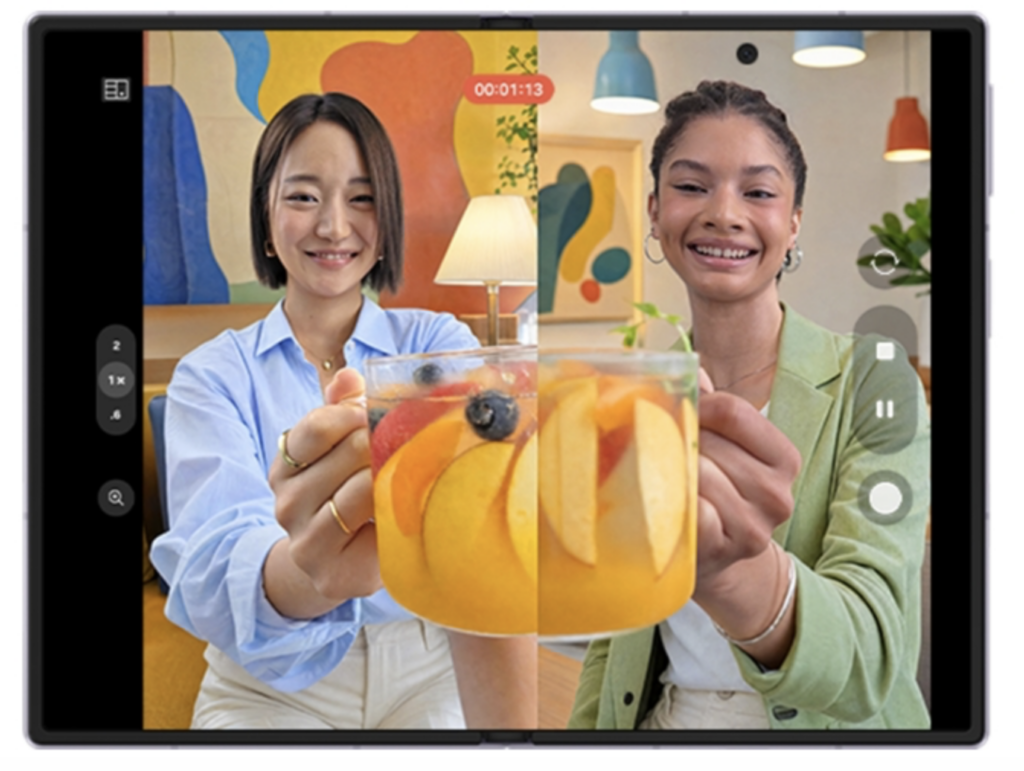
Samsung has expanded the range with a new passport-style Galaxy Z Fold8 alongside the flagship Fold8 Ultra. The range was launched today. (see livestream),
Wood believes the move broadens Samsung’s appeal but also represents a calculated gamble. “The passport-style Fold8 helps to underline Samsun’s leadership in this category. However, it is also a big bet on whether consumers want a device that is more focused on content consumption.”
IDC Vice President Francisco Jeronimo agrees the redesign is the most strategically significant aspect of the launch. “Samsung created the modern foldable category. This launch is about defining what comes next and who leads it,” he said.
Samsung still holds a 48.3 per cent share of the global foldable market outside China, says IDC. But Huawei, Honor, Motorola, Google and OPPO have steadily narrowed the technology gap.
Jeronimo believes Samsung is moving first to establish a new form factor before Apple arrives. “By bringing a wider, passport-style foldable to market ahead of Apple, Samsung gets to define the new format on its own terms rather than reacting to it later.”
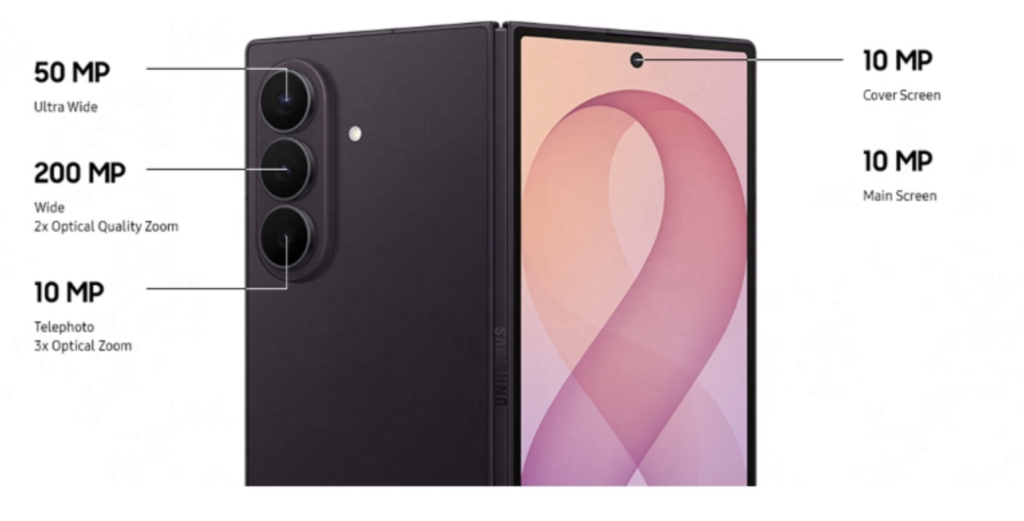
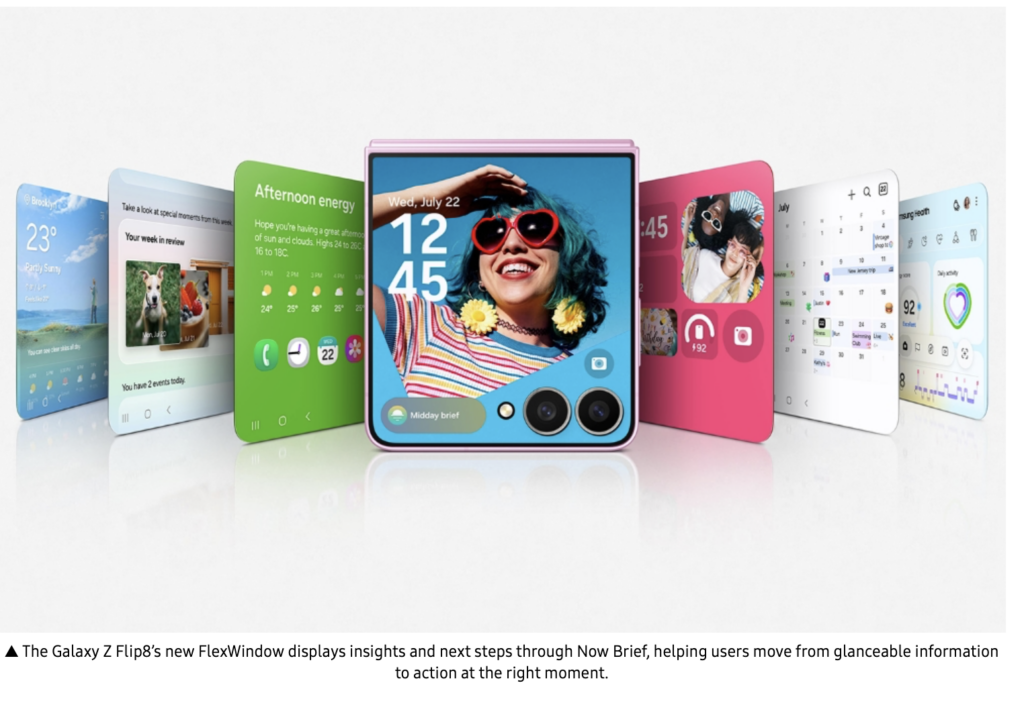
Pricing remains a significant hurdle. The Galaxy Z Flip8 starts at £1,149, while the Fold8 Ultra reaches £1,899.
Ernest Doku, mobiles expert at Uswitch, said consumers will increasingly rely on financing to make these devices affordable.
“Samsung’s foldables have never looked better but they’ve never cost more. Some operators are now offering 48-month handset finance agreements but committing to four years is a big ask. You could still be paying for it in 2030.”
Doku believes retailers can soften the blow through trade-in offers, introductory promotions and by encouraging customers to compare tariffs across networks. He also pointed to refurbished foldables as an increasingly attractive option for cost-conscious buyers.
PP Foresight founder Paolo Pescatore noted: ” Google and Qualcomm are among the biggest beneficiaries. Gemini now connects Samsung’s expanding AI ecosystem, while Qualcomm powers the entire line-up cementing its position at the heart of Samsung’s AI strategy.
“Health and wellness remain central to Samsung’s strategy, with its latest watches offering more personalised insights, while its AI-powered smart glasses signal ambitions beyond smartphones. However, the lack of pricing and availability suggests the glasses are not yet ready for full commercial launch. Samsung has a major opportunity to challenge Meta, but it still needs compelling everyday use cases to persuade consumers to embrace another Galaxy device”.
Beyond AI features, analysts believe Samsung’s biggest achievements are in hardware refinement.
Wood highlighted the improvements Samsung has made to the display. ” Samsung has delivered meaningful engineering progress with its Flex Titanium display, which reduces the visible fold on these new devices.”
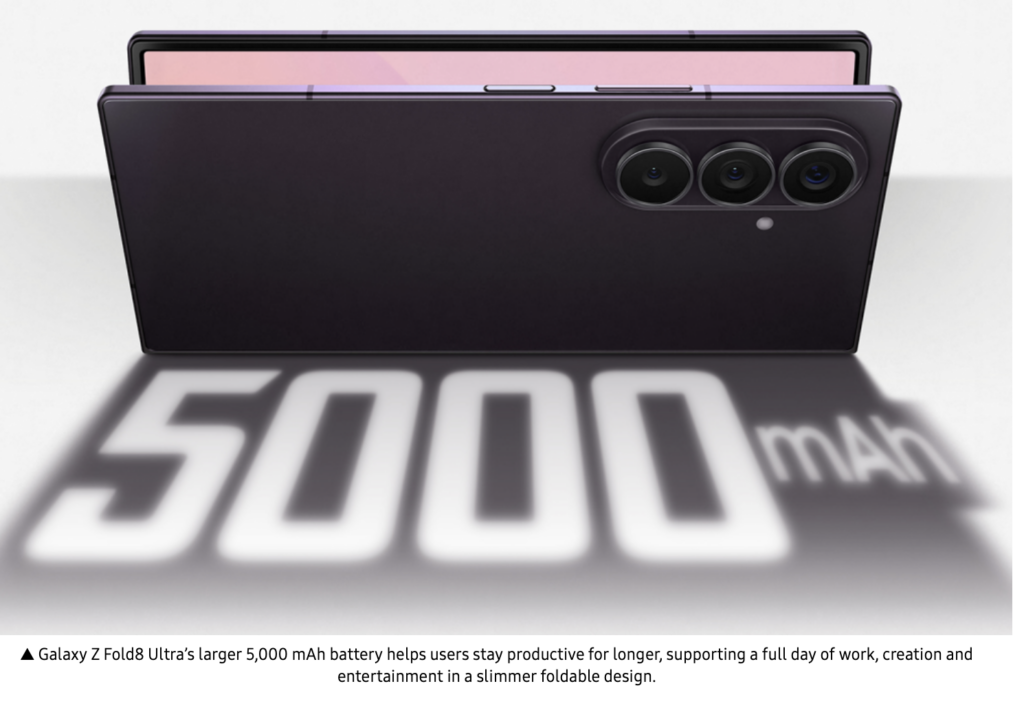
He also noted Samsung’s adoption of silicon-carbon battery technology. “Samsung has been cautious about moving to silicon-carbon batteries given its Note7 woes, but this was an essential move to match Chinese rivals on slimness, capacity and charging speed.”
Qualcomm is one of the biggest winners from the launch says Wood: by securing important design wins across phones, watches and glasses.”
Samsung also teased smart glasses during the event, although Wood believes they remain some way from becoming a mainstream product. “Samsung’s smart glasses teaser felt more like a placeholder than a launch moment. It is certainly offering stylish designs, but there was little clarity on timing.”
He believes the biggest obstacle is public acceptance rather than the technology itself. “The biggest threat is whether consumers trust the devices enough to wear them, or be around people wearing them.”
Samsung’s latest launch reinforces foldables as one of the few areas capable of delivering premium margins despite slowing smartphone demand.
IDC forecasts foldable smartphone shipments will grow by around 20 per centthis year, even as the wider smartphone market contracts because of rising component costs.